
Food is a love language & a powerful reinforcer.
Humans sharing their food with dogs is literally how we domesticated them & a smart way to forge deep bonds between our species. Scroll down to see some of my favorite treats!
⚠️ Trigger Warning ⚠️
Treats should be TINY.
To teach effectively, we need to use a high rate of reinforcement (a lot of food!). The smaller your morsels are, the more you can use!
Most of the time, I use pea-sized treats.
Especially when training in public, I recommend you pack a ‘trail mix’ of low-, medium-, & high-value treats.
Low-Value Treats:
Use only for easy tasks in low-distraction environments.
Typically dry.
Medium-Value Treats:
Use for slightly challenging tasks/mild distractions.
Usually softer & meatier.
High-Value Treats:
Your dog’s top-tier treats.
The smellier & grosser a treat is to you, the more likely your dog will love it!
If you have more questions about canine nutrition, or if your dog has a medical condition, speak with your vet.
If you’re especially interested in learning about canine nutrition, I recommend checking out The Canine Health Nut website.
Treat FAQs (⚠️)
-
The Dog Calorie Calculator can recommend your dog’s daily calorie intake, which is a great starting point. Honing in on your dog’s ideal daily caloric intake will take a bit of trial and error.
According to board-certified veterinary nutritionists, treats should only make up 10% of a dog’s total daily calories.
For example, if a dog needs 1000 kcal per day to maintain a healthy weight, 900 kcal should come from balanced food, and 100 kcal could come from treats.
With nutrition, larger patterns matter most, so don’t overwhelm yourself by trying to strictly follow these guidelines every single day.
-
Use a portion of your dog’s daily meals to help avoid excess calories.
For example, if your dog needs to eat 2 cups of food per day, save ½ cup in a container for training throughout the day.
Your dog’s food should have an “AAFCO statement” on their label, near the ingredient list & guaranteed analysis.
AAFCO statement = a nutritionally complete & balanced dog food recipe.
Anything that doesn’t meet the AAFCO nutritional requirements is considered a ‘treat’ & intended for supplemental feeding only.
-
Learning to evaluate a dog’s Body Condition Score (BCS) is the most objective way to monitor your pet’s weight.
A BCS is a rating of 1-9. A score of 4-5 is ideal for most dogs.
You want to be able to feel your dog’s ribs along their sides easily, but you shouldn’t be able to count them from across the room.
-
At some point in the pet industry, you’ve probably heard about pet obesity being an ‘epidemic.’ Many vets advise that keeping your dog lean is the ‘easiest’ way to prevent and reduce pain.
While excess weight is a proven concern, this is almost never an ‘easy change’ to make, and much of the coarse rhetoric about pet weight reflects our larger society’s fatphobia.
Given the widespread misinformation out there, ethical pet weight management deserves more thoughtful, informed consideration than simply restricting calories.
If you need to reduce the number of calories your dog eats, make small adjustments over time. Consider the following questions and ask for help when needed.
Where are the excess calories coming from?
Why are those calories being fed?
Are unmet needs (unrelated to food) being ineffectively met with food?
Does the dog have appropriate pain management to access a variety of species-typical behaviors? Is their weight actually limiting their ability to engage in those behaviors?
Addressing the above can also be unaffordable and inaccessible to many families, which is not an individual’s fault and reflects larger systemic issues. Please let me know if you need any help with this, so I can help you get creative without breaking the bank!
Low-Value Treats
-
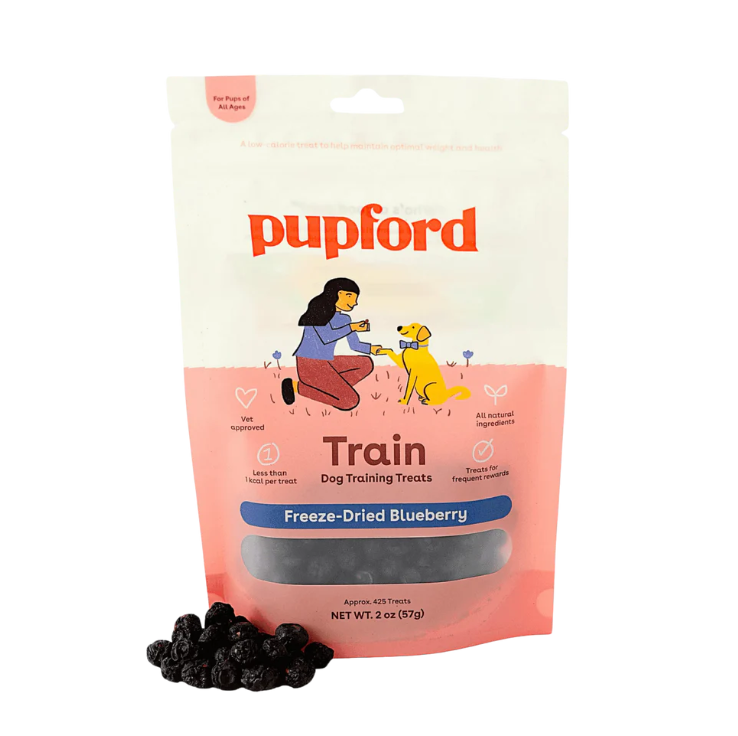
Freeze-Dried Blueberries
small pieces & dry texture
<1 kcal/treat
-

Freeze-Dried Mango
small pieces & dry texture
<1 kcal/treat
-

Freeze-Dried Sweet Potato
small pieces & dry texture
<1 kcal/treat
-
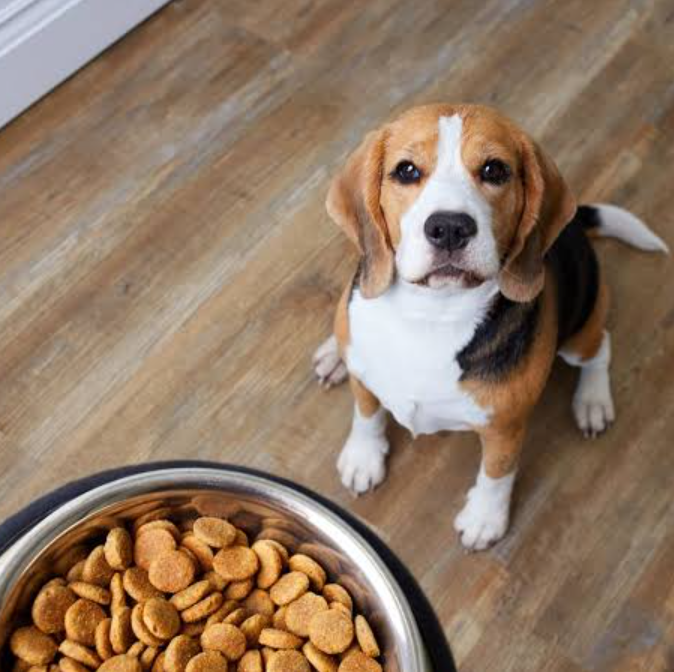
Your Dog's Food or Special Kibble
Set aside a portion of your dog’s daily meals
complete & balanced
accessible
check the bag for calorie content
-

Cravin' Cricket
complete & balanced
sustainable protein
407 kcal/cup
-

Whole Food Clusters - Small Breed Blend
complete & balanced
small, nongreasy pieces
400 kcal/cup
Medium-Value Treats
-

Freeze-Dried Chicken Liver
easy to break into smaller pieces
high in Vitamin A; keep under 5% of daily cal
4 kcal/gram
-
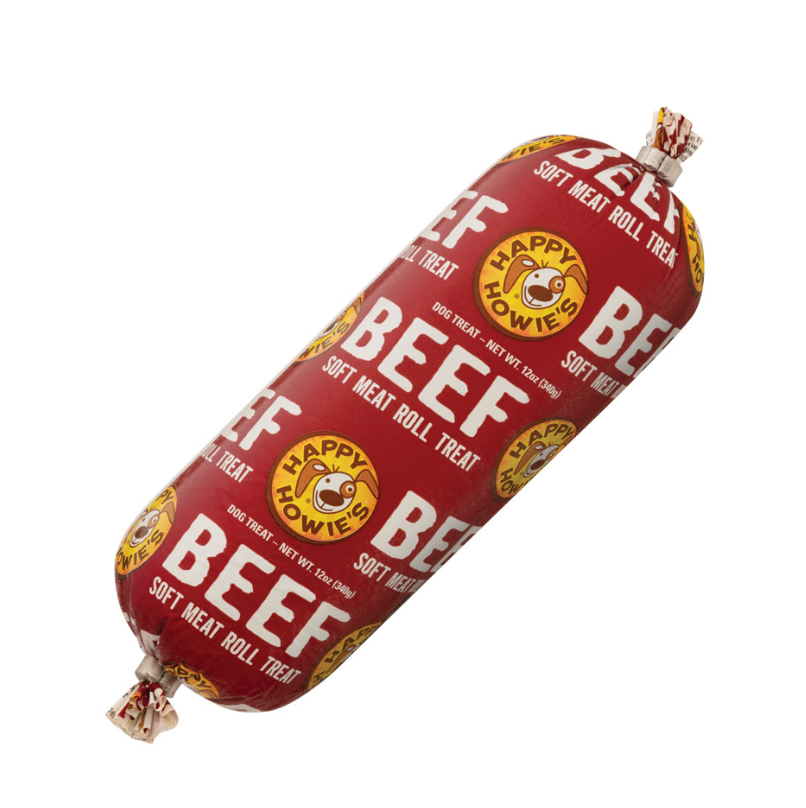
Beef Soft Meat Roll
cut to desired size, easy to break even smaller
0.8 kcal/quarter inch cube
-
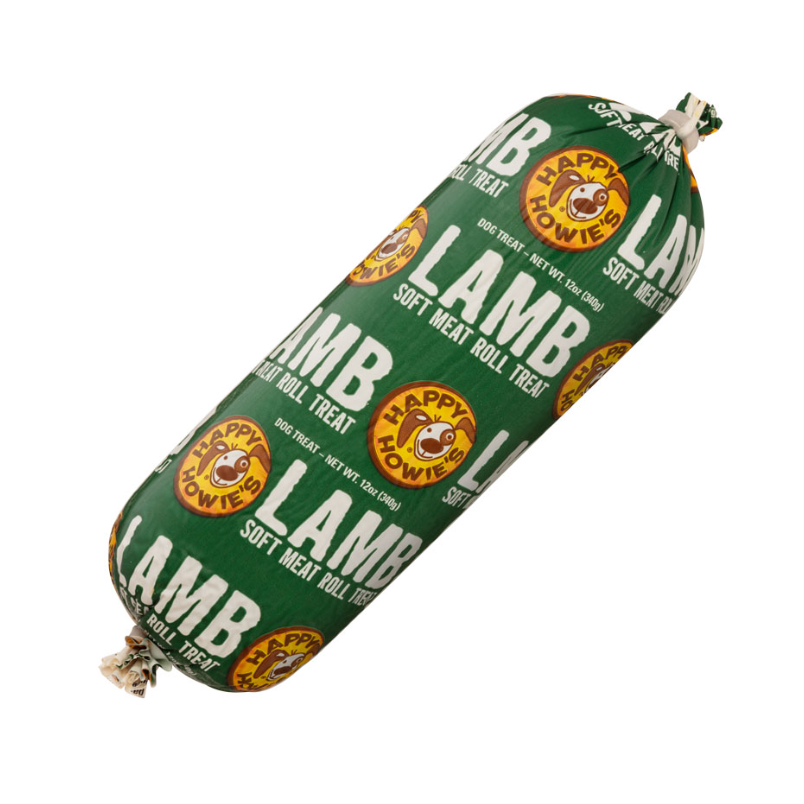
Lamb Soft Meat Roll
cut to desired size, easy to break even smaller
0.9 kcal/quarter inch cube
-
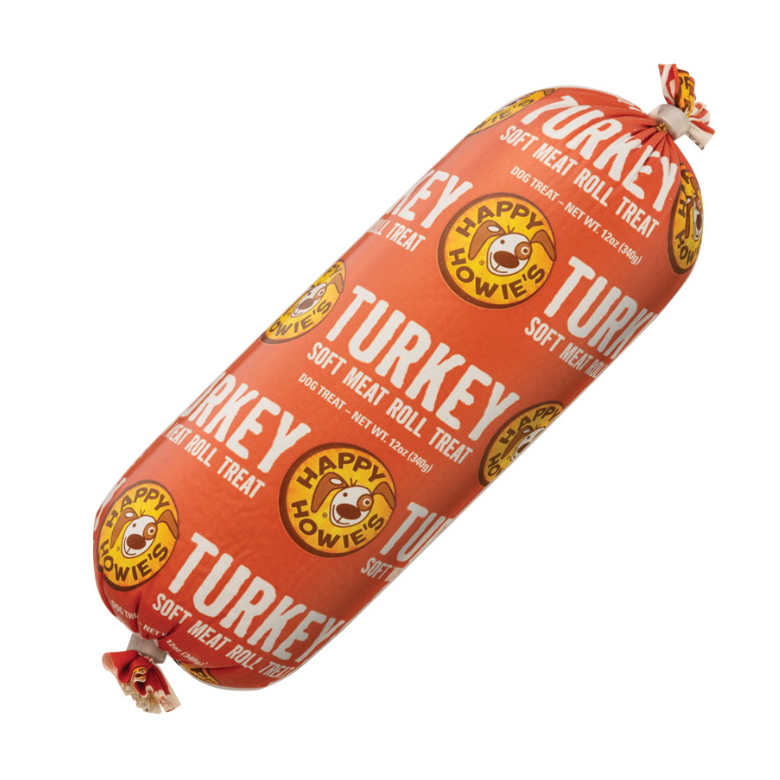
Turkey Soft Meat Roll
cut to desired size, easy to break even smaller
turkey recipe is my favorite (cleanest texture)
1 kcal/quarter inch cube
-
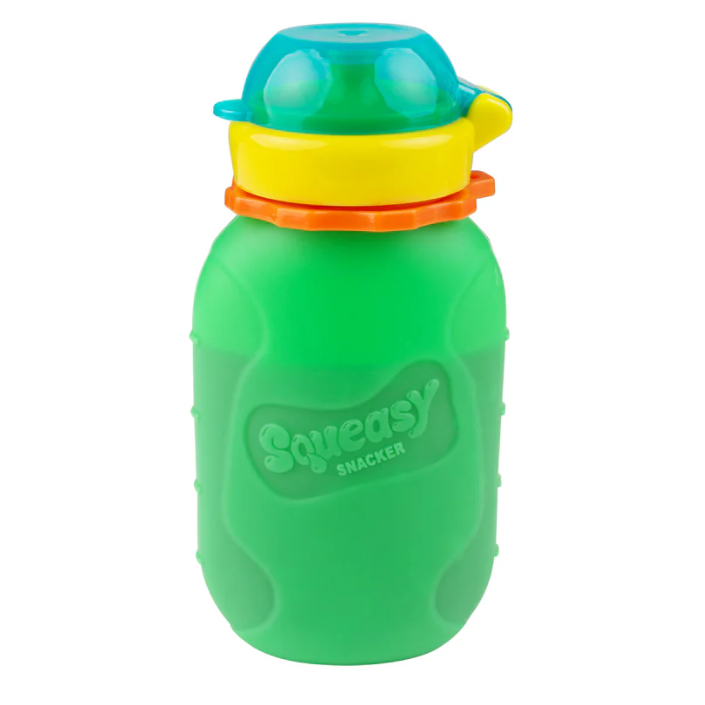
Squeasy Snacker for DIY Lickable Treats
fill with peanut butter, paté canned food, whipped cream cheese, baby food
make a DIY puree in a blender
calories vary
-

Freeze-Dried Beef Heart
small pieces; relatively odorless
use code LF7570 to save 10%
3.5 kcal/gram
-

Freeze-Dried Bison Liver
small pieces; relatively odorless
use code LF7570 to save 10%
4 kcal/gram
-

Chicken Parmesan Chips
very easy to break into small pieces
use code LF7570 to save 10%
calories unlisted
-

Freeze-Dried Beef Liver
small, can be broken
<1 kcal/treat
-

Freeze-Dried Salmon
small, can be broken
<2 kcal/treat
-
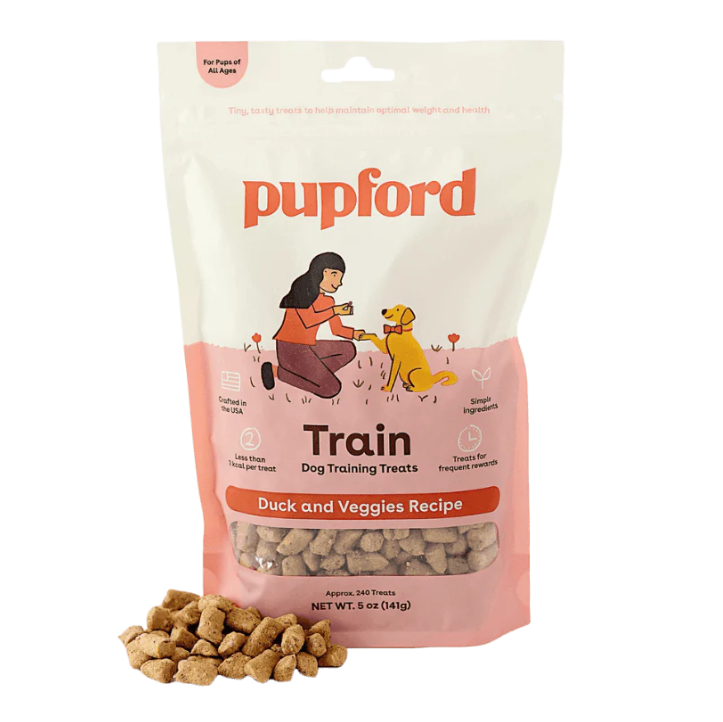
Duck & Veggie Training Treats
small, easily broken
<2 kcal/treat
-

Fig & Tyler Meatballs
larger size; can be broken
use code LF7570 to save 10%
duck & beef, pork, salmon, beef, turkey, bacon, & medleys
-
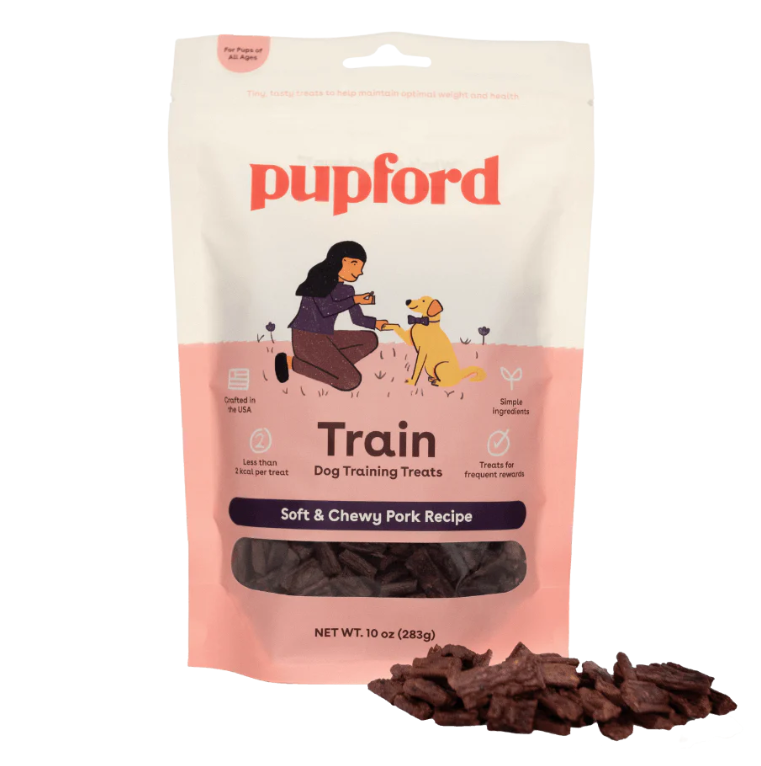
Soft & Chewy Training Treats
small, challenging to tear quickly
beef, chicken, pork, lamb, & turkey recipes
<2 kcal/treat
-
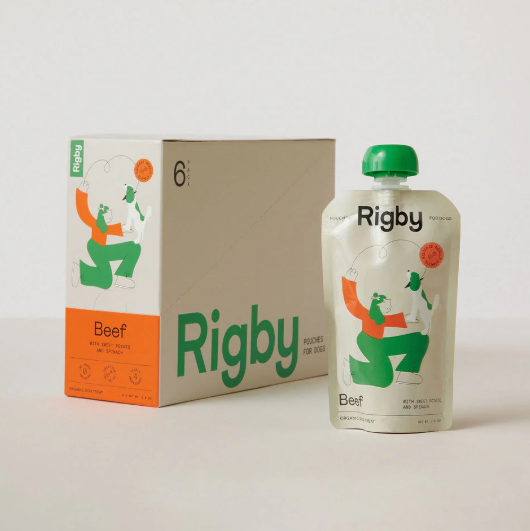
Rigby Pouches (Premade Purée)
beef: 64 kcal/pouch
chicken: 79 kcal/pouch
salmon: 109 kcal/pouch
High-Value Treats
-

Mild Cheese Blocks
Cost varies
affordable, easy to cut into tiny pieces
calories vary
-
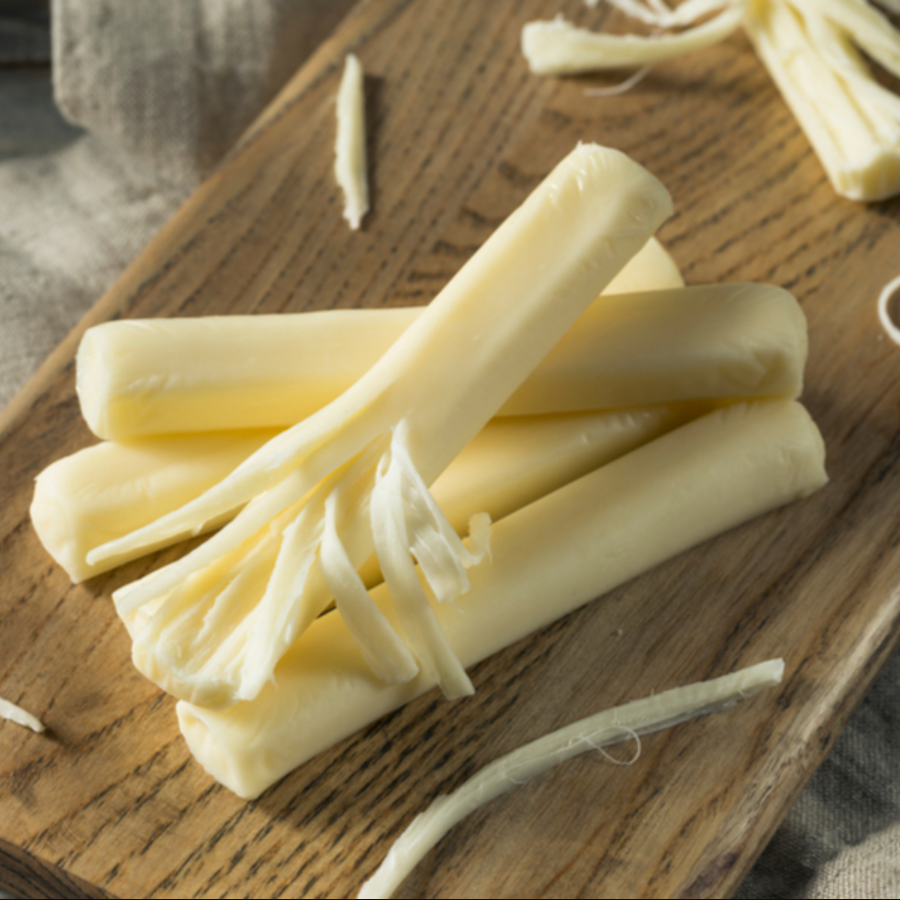
String Cheese & Cheese Sticks
Cost varies
easy grab and go option if you forgot treats!
calories vary
-

Deli Meat
Cost varies
easy to tear
calories vary
-

Hot Dogs
Cost varies
cut into tiny pieces
calories vary
-
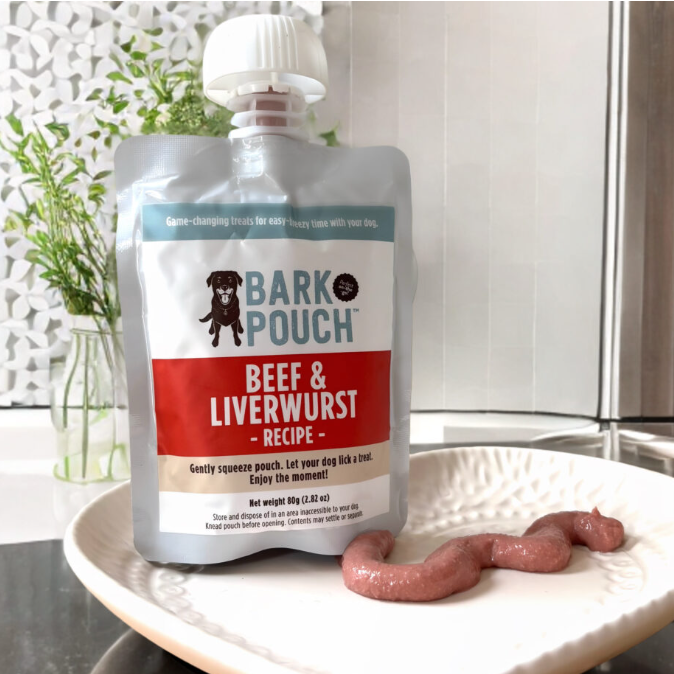
Beef & Liverwurst Bark Pouch
great for winter (mittens)
100 kcal/50g pouch
-
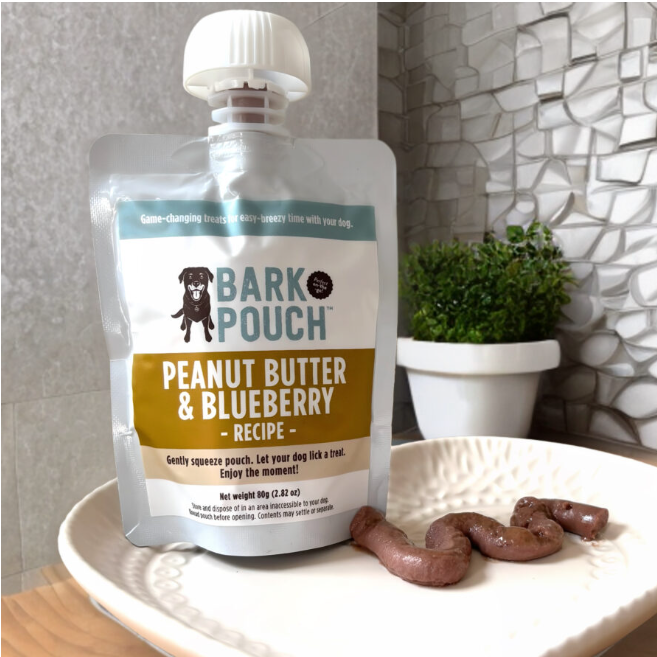
Peanut Butter & Blueberry Bark Pouch
great for winter (mittens)
160 kcal/50g pouch
-
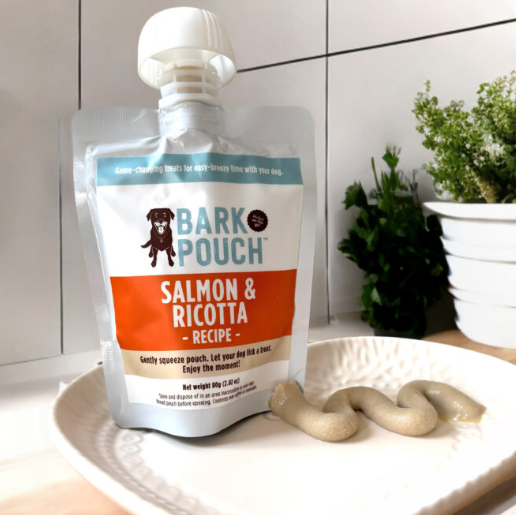
Salmon & Ricotta Bark Pouch
great for winter (mittens)
60 kcal/50g pouch
-
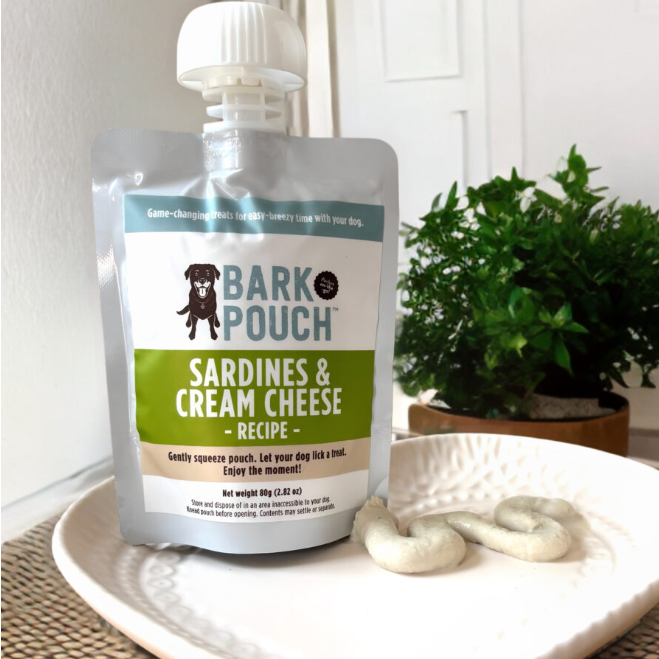
Sardines & Cream Cheese Bark Pouch
great for winter (mittens)
110 kcal/50g pouch
-
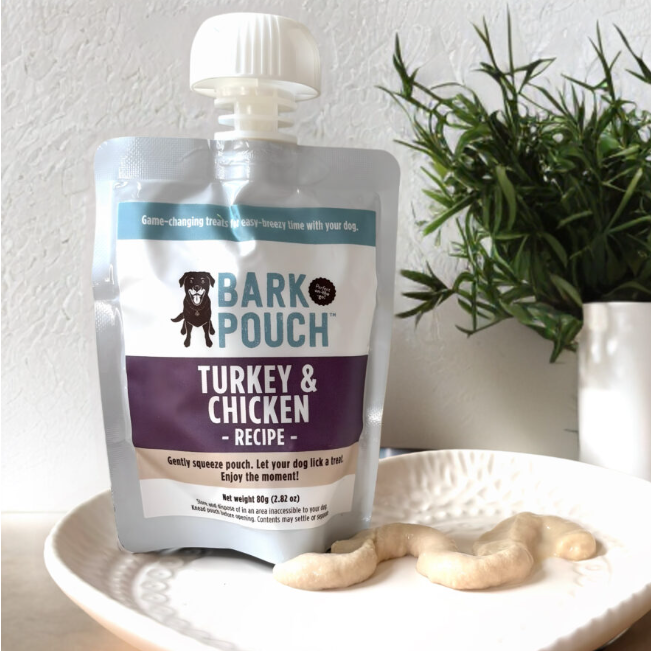
Turkey & Chicken Bark Pouch
great for winter (mittens)
70 kcal/50g pouch
-
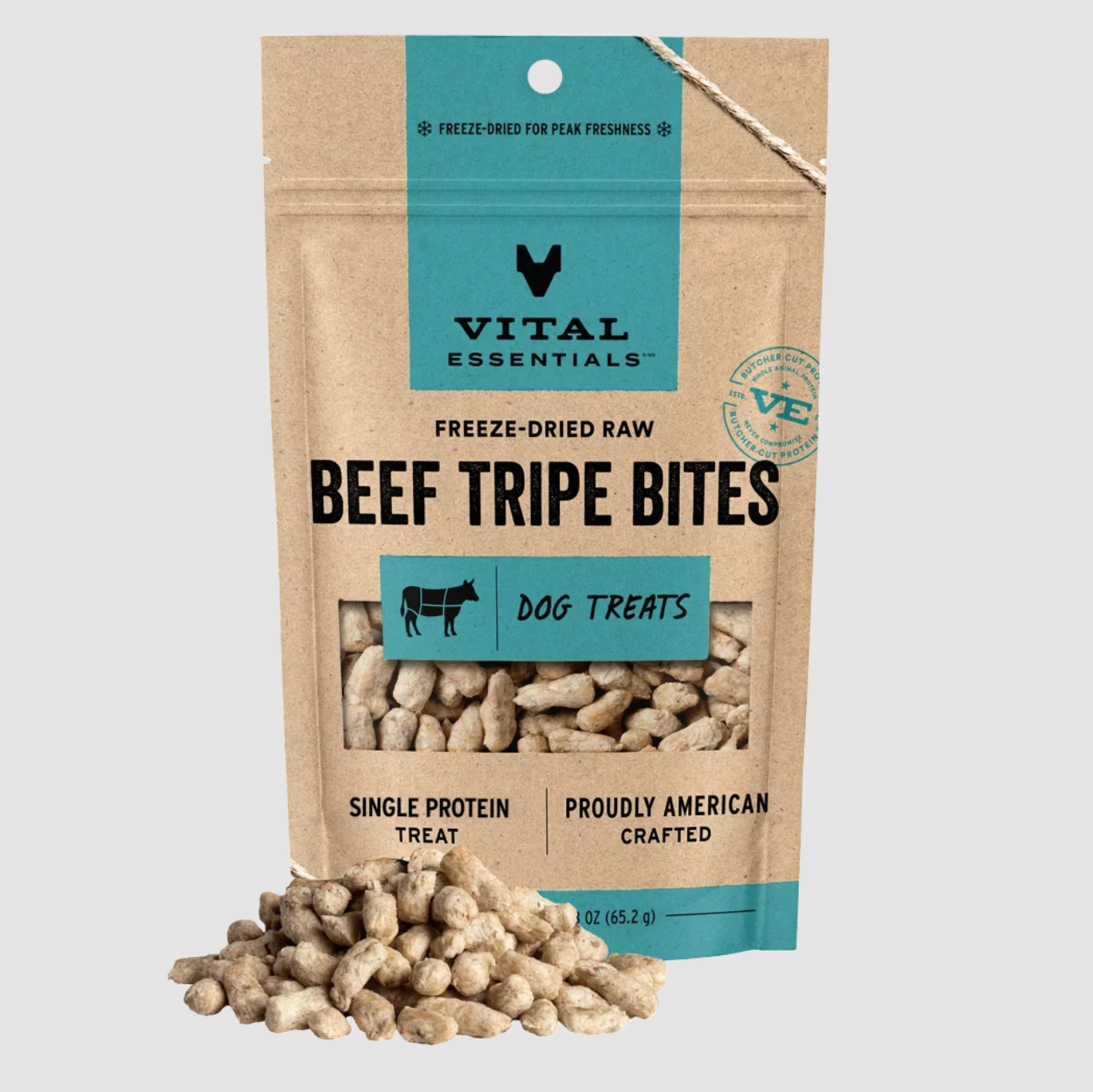
Freeze-Dried Beef Tripe Bites
single-ingredient
STINKY
2 kcal/treat
-
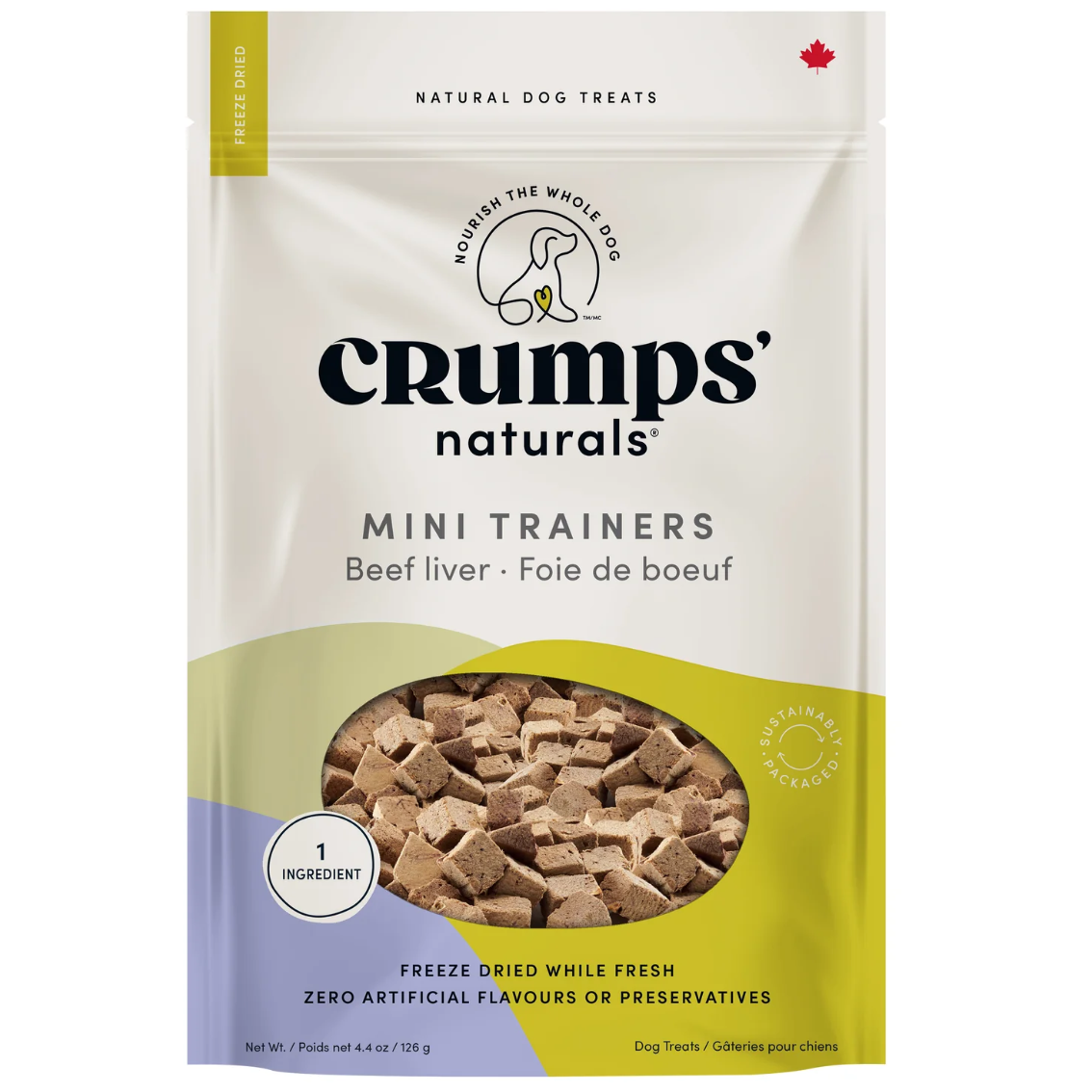
Freeze-Dried Beef Liver Mini Trainers
tiny quarter-inch cubes
<1 kcal/treat
-

Snappin' Salmon
single ingredient, can be broken into smaller pieces
black-owned business
32 kcal/treat
-
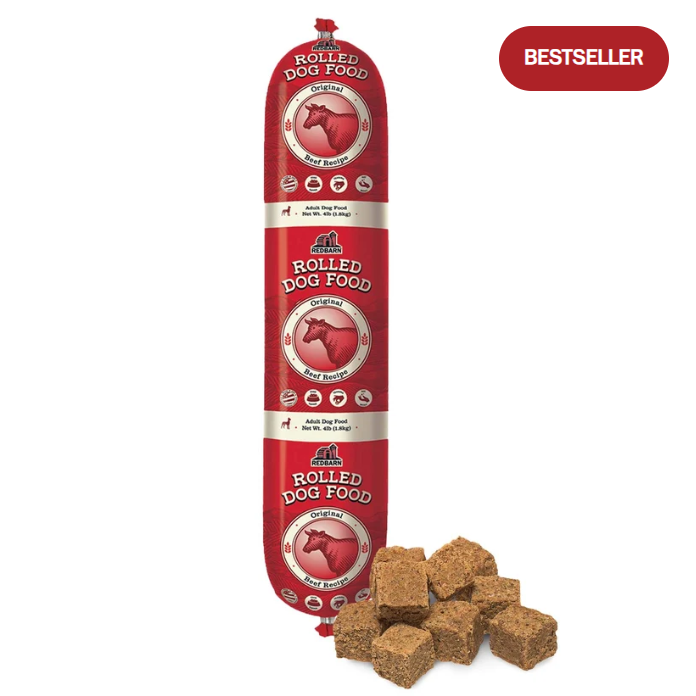
Semi-Moist Rolled Food, Beef Recipe
complete & balanced
cut to desired size
336 kcal/inch disc of roll
-
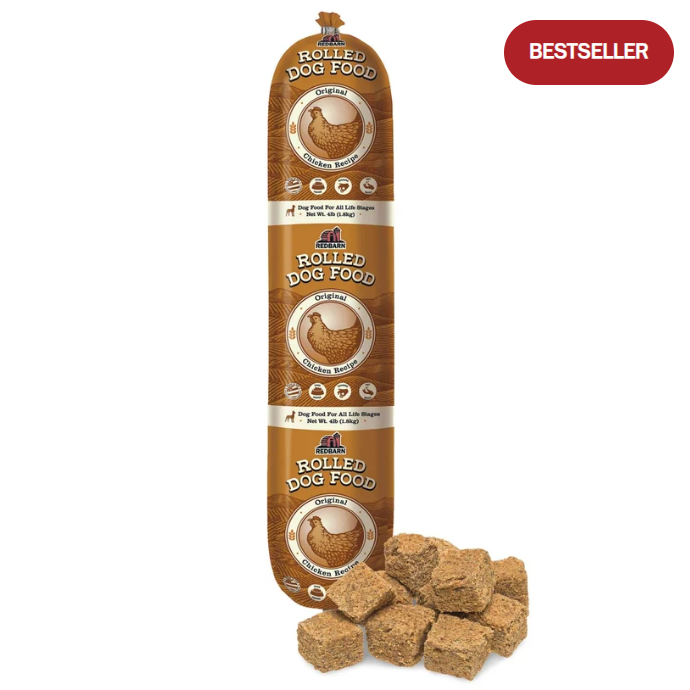
Semi-Moist Rolled Food, Chicken Recipe
complete & balanced
cut to desired size
336 kcal/inch disc of roll
-
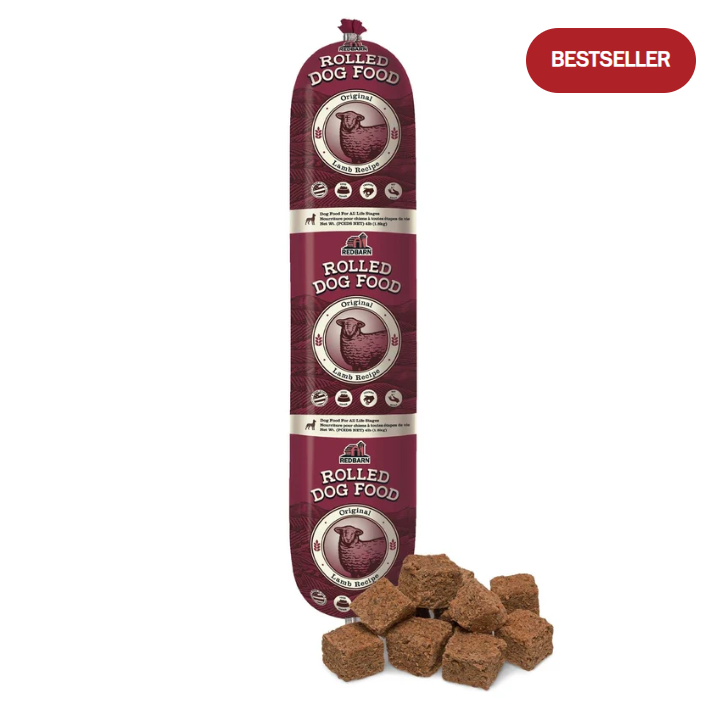
Semi-Moist Rolled Food, Lamb Recipe
complete & balanced
cut to desired size
342 kcal/inch disc of roll
-
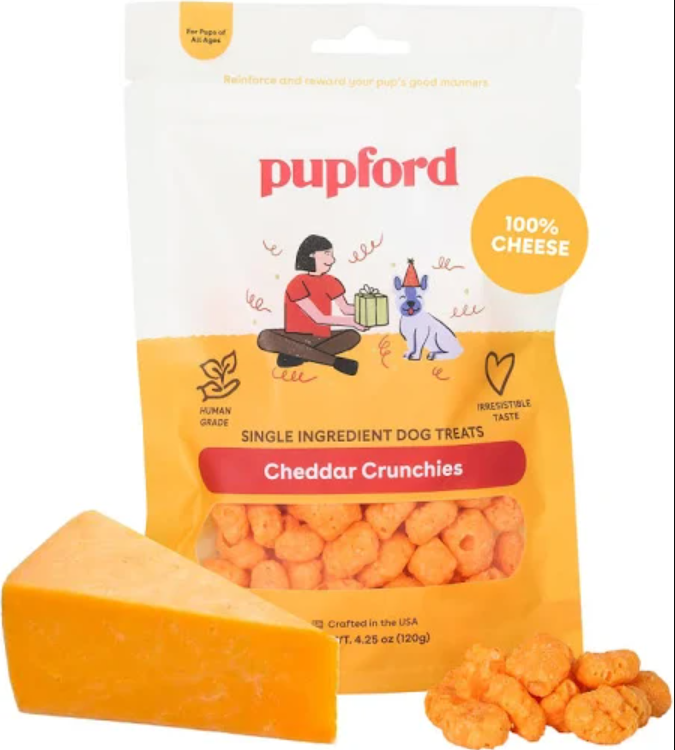
Cheddar Crunchies
shelf-stable cheese
7 kcal/treat
-
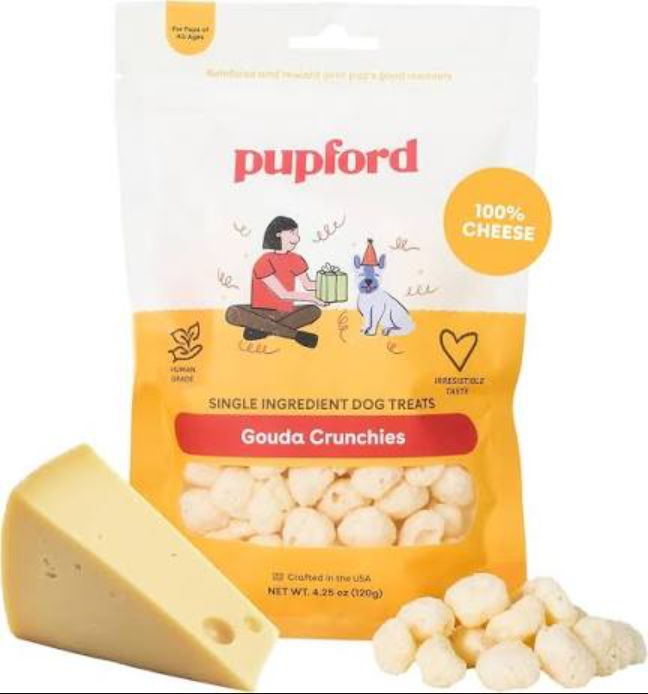
Gouda Crunchies
shelf-stable cheese
7 kcal/treat